

In the complex ecosystem of search engine optimization (SEO), backlinks stand as one of the most influential and enduring factors that determine a website’s visibility, credibility, and success. Also known as inbound links or incoming links, backlinks are hyperlinks that connect one website to another, acting as a digital endorsement from the linking domain to the linked site. For search engines like Google, Bing, and Yahoo, backlinks are more than just random connections—they are a vote of confidence, a signal that the linked content is valuable, trustworthy, and relevant to users. In an era where algorithms are constantly evolving to prioritize user experience and quality, backlinks remain a cornerstone of SEO strategy, with the power to elevate a website’s rankings, drive organic traffic, and establish a brand as an authority in its niche. This article explores the multifaceted role of backlinks, delving into their importance, types, acquisition strategies, and common pitfalls, providing a comprehensive guide to leveraging their power for long-term digital success.
The Core Value of Backlinks: Why They Matter for SEO
At its core, the value of backlinks lies in their ability to influence search engine algorithms. Search engines are designed to deliver the most useful and reliable content to users, and backlinks help them identify which websites meet these criteria. When a reputable, high-authority website links to your content, it tells search engines that your site is a credible source of information. This “link juice”—the authority and trust transferred from one domain to another—boosts your website’s domain authority (DA), a metric that predicts how well a site will rank in search engine results pages (SERPs). Websites with a strong profile of high-quality backlinks consistently outperform competitors with fewer or lower-quality links, even when their content is comparable. This is because search engines view backlinks as a form of social proof; if other trusted sites are referencing your content, it must be valuable.
Quality vs. Quantity: What Makes a High-Quality Backlink
Not all backlinks are created equal, however. The quality of a backlink is far more important than the quantity, and understanding the difference between high-quality and low-quality backlinks is critical for SEO success. High-quality backlinks come from websites that are authoritative, relevant to your niche, and have a strong reputation. For example, a backlink from a well-known industry publication, a government website, or a respected academic institution is far more valuable than a link from a spammy, irrelevant site. These high-quality links pass more link juice, enhance your website’s credibility, and drive targeted referral traffic—users who click on these links are already interested in your niche, making them more likely to engage with your content and convert.
The Risks of Low-Quality Backlinks for SEO
Low-quality backlinks, on the other hand, can harm your SEO efforts. These include links from spammy websites, link farms (websites created solely to generate backlinks), and irrelevant domains. Search engines like Google have algorithms (such as thePenguin update) specifically designed to detect and penalize websites with manipulative or low-quality backlink profiles. Penalties can range from lower rankings to complete deindexing, making it crucial to avoid these types of links at all costs. When building a backlink profile, quality should always be the top priority; a single high-quality backlink is worth more than hundreds of low-quality ones.
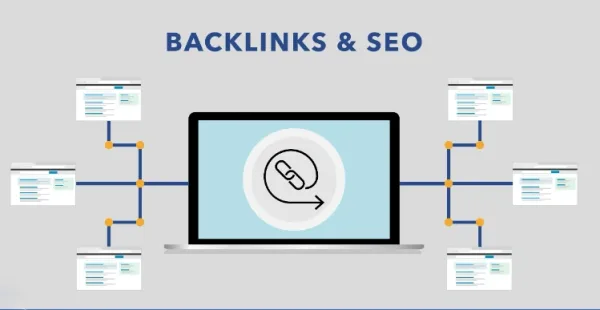
Backlinks
Common Types of Backlinks and Their SEO Value
There are several types of backlinks, each with its own value and role in an SEO strategy. The most valuable type is a dofollow backlink, which allows search engines to follow the link and passlink juice to your website. Dofollow links are the default type of backlink and are essential for boosting your domain authority (DA) and rankings. Nofollow backlinks, on the other hand, include a “nofollow” tag that tells search engines not to follow the link or pass link juice. While nofollow links do not directly impact SEO rankings, they can still be valuable for driving referral traffic and building brand awareness. Other types of backlinks include contextual backlinks (links embedded within relevant content), anchor text backlinks (links with descriptive text that includes target keywords), and image backlinks (links attached to images).
Strategies to Earn High-Quality Backlinks
Earning high-quality backlinks requires a strategic approach, focused on creating value and building relationships. One of the most effective strategies is creating link-worthy content—content that is original, comprehensive, and useful to your target audience. This can include original research, in-depth guides, infographics, case studies, and expert roundups. When you create content that fills a gap in your niche or offers a fresh perspective, other websites will naturally want to link to it. For example, a comprehensive guide on “How to Build High-Quality Backlinks in 2024” is more likely to earn backlinks than a generic blog post with no unique insights.
Guest Posting: A Proven Method for Backlink Acquisition
Guest posting is another powerful strategy for earning backlinks. This involves writing high-quality content for other reputable websites in your niche, with a link back to your own site in the author bio or content body. Guest posting not only earns you a valuable backlink but also exposes your brand to a new, engaged audience, helping you build brand awareness and authority. To succeed with guest posting, it’s important to research host websites thoroughly, ensure your content aligns with their audience and style, and avoid being overly promotional. Personalized outreach to website owners and editors is key—take the time to introduce yourself, explain why your content would be valuable to their audience, and pitch relevant ideas.
Monitoring and Maintaining Your Backlink Profile
Outreach and relationship building are also critical for earning backlinks. This involves identifying relevant websites, bloggers, and influencers in your niche, and building genuine relationships with them. You can do this by engaging with their content (commenting, sharing, and liking), offering value (e.g., sharing their content, providing expert insights), and asking for backlinks in a respectful, non-intrusive way. For example, if you create a piece of content that complements a blog post on another website, you can reach out to the author and ask if they would be willing to link to your content as an additional resource. Building strong relationships not only helps you earn backlinks but also opens up opportunities for collaborations and partnerships in the future.
Monitoring and maintaining your backlink profile is just as important as building it. Regularly auditing your backlinks allows you to identify and remove toxic or low-quality links that could harm your SEO. Tools like Google Search Console,Ahrefs, SEMrush, and Moz make it easy to monitor your backlink profile, track new links, and identify any potential issues. If you find toxic links, you can use the Google Disavow Tool to tell Google to ignore them, preventing them from negatively impacting your rankings. Additionally, it’s important to update your content regularly to ensure it remains relevant and valuable—this will help you retain existing backlinks and attract new ones.

SEO
Beyond SEO: The Additional Benefits of Backlinks
The impact of backlinks extends beyond SEO rankings. They also play a crucial role in driving targeted organic traffic to your website. Unlike paid traffic, which stops when you pause your campaign, traffic from backlinks is sustainable and highly relevant. When a user clicks on a backlink from a trusted website, they are already interested in the topic, making them more likely to engage with your content, explore your website, and convert (e.g., sign up for a newsletter, make a purchase). This targeted traffic has a lower bounce rate, longer session durations, and higher conversion rates, all of which are positive signals to search engines and further boost your SEO.
Backlinks also help build brand authority and visibility. When your website is linked to by reputable, niche-relevant websites, it exposes your brand to a wider audience of potential customers or readers. This increased visibility not only drives traffic but also positions your brand as a leader in your industry. Users are more likely to trust a brand that is referenced by other trusted sources, and this trust translates to higher engagement, more conversions, and improved brand loyalty. Over time, consistent backlinks from authoritative sources establish your website as a go-to resource in your niche, making it easier to rank for competitive keywords and attract new backlinks organically.
In conclusion, backlinks are an indispensable part of any successful SEO strategy. Their ability to boost domain authority (DA), improve SERP rankings, drive targeted traffic, and build brand authority makes them a powerful tool for digital marketers, bloggers, and business owners alike. However, building a strong backlink profile requires time, effort, and a focus on quality over quantity. By creating link-worthy content, leveraging guest posting, building genuine relationships, and monitoring your backlink profile, you can harness the power of backlinks to elevate your website’s visibility and achieve long-term digital success. In an increasingly competitive online landscape, backlinks remain one of the most reliable ways to stand out from the crowd and connect with the audience that matters most.