

In the dynamic landscape of search engine optimization (SEO),backlinks in seo stand out as one of the most influential factors that can make or break your website’s search rankings. Unlocking the secrets of backlinks in seo is not just a strategy—it’s a necessity for any business or individual aiming to establish a strong online presence and drive organic traffic. Whether you’re a seasoned SEO professional or just starting your journey, understanding how to leverage backlinks in seo effectively can propel your website from the depths of search results to the coveted top positions. This comprehensive guide will demystify backlinks in seo, exploring their definition, role, types, and proven strategies to build and maintain a high-quality backlink profile, all while avoiding common pitfalls that could hinder your progress.
Understanding Backlinks: What They Are and Why They Matter
First, let’s clarify the basics: backlinks (also known as inbound links or incoming links) are links from one website to another. When a website links to your content, it’s essentially vouching for your site’s credibility, relevance, and value. This is where backlinks in seo become critical—search engines like Google view these links as “votes of confidence,” using them to assess the authority and trustworthiness of your website. The more high-quality backlinks you have pointing to your site, the more likely search engines are to perceive your content as valuable and rank it higher. Beyond rankings, backlinks in seo also drive direct referral traffic, exposing your website to new audiences and potential customers. In short, backlinks in seo are not just a ranking factor—they’re a bridge connecting your site to a wider online ecosystem.
The Role of Backlinks in SEO: How They Influence Rankings
To fully grasp the power of backlinks in seo, it’s essential to understand how they directly influence search rankings. Search engines are designed to deliver the most relevant, reliable, and high-quality content to users. Backlinks in seo act as a key signal in this evaluation process: when multiple reputable websites link to your content, search engines interpret this as a sign that your site is a trusted source in its niche. This, in turn, boosts your site’s domain authority (DA) and page authority (PA)—metrics that search algorithms use to determine ranking positions. Moreover, backlinks in seo help search engines discover new pages on your website. When a crawler encounters a backlink to your site from a already indexed page, it follows that link to your site, indexing your content faster. Without sufficient backlinks in seo, even the best content may struggle to be discovered and ranked, making them an indispensable part of any successful SEO strategy.
backlinks in seo
Types of Backlinks: DoFollow vs. NoFollow
Not all backlinks are created equal, and understanding the difference between DoFollow and NoFollow links is a key aspect of mastering backlinks in seo. DoFollow links are the default type of backlink; they pass “link juice” (or authority) from the linking site to your site, directly boosting your SEO efforts. These are the most valuable links for improving rankings, as they signal to search engines that the linking site endorses your content. On the other hand, NoFollow links include a rel=”nofollow” attribute, which tells search engines not to pass link juice. While NoFollow links don’t directly contribute to ranking factors, they still play a role in backlinks in seo by driving referral traffic and diversifying your backlink profile—search engines value a natural mix of both types. Some common examples of NoFollow links include social media posts, blog comments, and paid advertisements. To optimize backlinks in seo, focus on acquiring high-quality DoFollow links while also embracing NoFollow links as part of a balanced strategy.
The Importance of Quality Over Quantity in Backlinks
One of the most critical lessons in backlinks in seo is prioritizing quality over quantity. In the early days of SEO, many marketers focused on building as many backlinks as possible, regardless of their source. However, modern search algorithms—particularly Google’s Penguin update—have cracked down on low-quality, spammy links, penalizing sites that use such tactics. This is why backlinks in seo success now hinges on acquiring links from authoritative, relevant websites in your niche. A single backlink from a well-respected site (e.g., a major industry publication or a government website) is far more valuable than dozens of links from low-domain-authority sites. High-quality backlinks not only pass more link juice but also enhance your site’s credibility in the eyes of both search engines and users. When building your backlink profile, always ask: Is this linking site trustworthy? Does its content relate to my niche? Answering these questions will ensure that your backlinks in seo efforts yield long-term, sustainable results.
How to Build a Strong Backlink Profile
Building a strong backlink profile is a systematic process that requires patience, strategy, and a focus on value—and it’s central to mastering backlinks in seo. The first step is to conduct a thorough audit of your existing backlinks using SEO tools (which we’ll explore later) to identify strengths, weaknesses, and opportunities. Next, create high-quality, link-worthy content—this is the foundation of any successful backlinks in seo strategy. Content that is informative, original, and useful (such as in-depth guides, research studies, or infographics) naturally attracts backlinks because other websites will want to reference it. Additionally, it’s important to diversify your backlinks in terms of source, anchor text, and link type (DoFollow vs. NoFollow). A diverse profile signals to search engines that your backlinks are organic, not manipulative. Finally, nurture relationships with other industry professionals and website owners—networking can lead to valuable guest posting opportunities and reciprocal backlinks that boost your backlinks in seo performance.
Effective Strategies for Acquiring Backlinks
Now that you understand the importance of quality and profile diversity, let’s explore actionable strategies for acquiring backlinks that will elevate your backlinks in seo efforts. One of the most effective methods is guest blogging: writing high-quality articles for other websites in your niche in exchange for a backlink to your site. This not only builds backlinks but also establishes your authority in the industry. Another strategy is broken link building: identifying broken backlinks on other websites and offering your content as a replacement. Most website owners are eager to fix broken links, making this a win-win for both parties. Additionally, creating shareable content (such as infographics, videos, or interactive tools) can generate organic backlinks as users and websites share your content. You can also leverage social media to promote your content, increasing its visibility and encouraging others to link to it. Finally, participating in industry forums, webinars, and podcasts can help you build relationships and secure backlinks from reputable sources—all of which strengthen your backlinks in seo strategy.
Tools and Resources for Backlink Analysis
To master backlinks in seo, you need the right tools to analyze, track, and optimize your backlinks. There are numerous SEO tools available that specialize in backlink analysis, each offering unique features to help you stay ahead of the competition. One of the most popular tools is Ahrefs, which provides a comprehensive backlink database, allowing you to check your site’sbacklinks, analyze competitor profiles, and identify new link-building opportunities. SEMrush is another powerful tool that offers backlink analytics, along with keyword research and site audit features, making it a one-stop shop for backlinks in seo and overall SEO management. For those on a budget, Google Search Console is a free tool that provides basic backlink data, including which sites are linking to you and which pages are getting the mostbacklinks. Other useful tools include Moz Link Explorer, which measures domain authority and page authority, and Majestic, which offers detailed backlink quality scores. By using these tools regularly, you can monitor the performance of your backlinks, identify issues, and adjust your backlinks in seo strategy for optimal results.
Common Backlinking Mistakes to Avoid
Even with the best intentions, many marketers make mistakes that can harm their backlinks in seo efforts. One of the most common mistakes is buying backlinks from spammy or low-quality sites. As mentioned earlier, search engines penalize sites that use this tactic, which can result in lower rankings or even deindexing. Another mistake is overusing exact-match anchor text—using the same keyword-rich anchor text for every backlink can signal to search engines that you’re trying to manipulate rankings. Instead, use a mix of exact-match, partial-match, and generic anchor text (e.g., “click here” or “learn more”) to keep your profile natural. Additionally, ignoring link relevance is a major error: backlinks from sites that are unrelated to your niche offer little to no value for backlinks in seo and can even harm your credibility. Finally, failing to monitor your backlink profile can lead to issues like toxic backlinks (spammy or malicious links) going unnoticed. Regular audits are essential to identify and disavow toxic backlinks, protecting your site’s SEO performance.
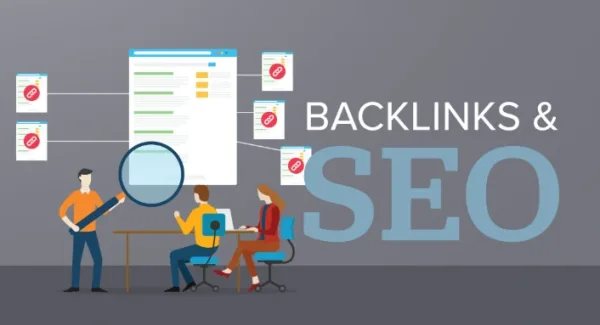
backlinks in seo
Measuring the Impact of Backlinks on Your SEO Performance
To ensure that your backlinks in seo efforts are paying off, it’s crucial to measure their impact on your SEO performance. There are several key metrics to track: search rankings (are your pages moving up in search results for target keywords?), organic traffic (is your site receiving more traffic from search engines?), and domain authority (has your DA increased as you acquire morebacklinks?). You can use the same SEO tools mentioned earlier (Ahrefs, SEMrush, Google Search Console) to track these metrics. Additionally, monitoring referral traffic can help you see which backlinks are driving the most visitors to your site, allowing you to focus on strategies that yield the best results. It’s also important to track conversions from organic traffic—after all, the ultimate goal of backlinks in seo is to drive meaningful actions (e.g., sales, sign-ups) from your audience. By regularly analyzing these metrics, you can refine your backlink strategy, double down on what works, and fix what doesn’t.
The Future of Backlinks in SEO
As search engines continue to evolve, backlinks in seo will remain a critical ranking factor—though their role may shift slightly. The focus on quality over quantity will only intensify, with search engines becoming even better at distinguishing between organic, high-value backlinks and manipulative, low-quality ones. Additionally, the rise of AI in search algorithms may lead to more nuanced evaluations of backlinks, considering factors like the context of the linking content and the reputation of the linking site’s authors. To stay ahead, it’s essential to prioritize ethical, value-driven backlinks in seo strategies: create exceptional content, build genuine relationships, and use data to guide your efforts. Remember, mastering backlinks in seo is not a one-time task—it’s an ongoing process of learning, adapting, and optimizing. By following the strategies outlined in this guide, avoiding common mistakes, and staying updated on industry trends, you can leveragebacklinks to boost your rankings, drive organic traffic, and achieve long-term online success.