
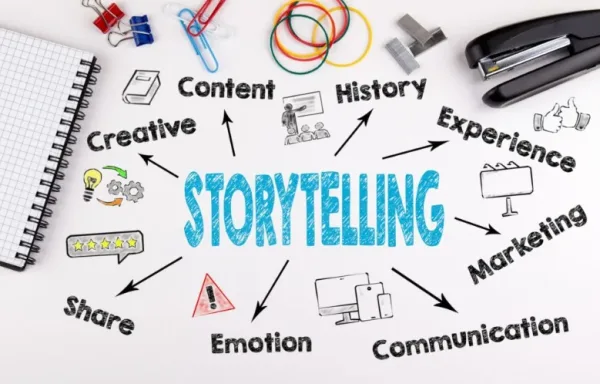
Storytelling has always been a powerful way to connect with others, and in the world of branding, copywriting is the art of weaving brand stories that resonate. Copywriting for brand storytelling goes beyond selling a product or service—it creates an emotional bond between the brand and its audience. Every word in your copywriting should contribute to a narrative that reflects your brand’s values, mission, and journey. This article delves into how to use copywriting to craft compelling brand stories, incorporating key elements like Narrative Structure, Emotional Resonance, Authenticity, Brand Messaging, and Story Arc.
Why Copywriting is Essential for Brand Storytelling
Brand storytelling relies on copywriting to bring stories to life. Without skilled copywriting, even the most compelling brand story can fall flat. Copywriting gives voice to your brand, allowing you to share your story in a way that engages, inspires, and motivates. Unlike traditional advertising, which focuses on features and benefits, copywriting for brand storytelling focuses on emotion and connection. Copywriting helps audiences see themselves in your brand’s story, fostering loyalty and advocacy. Whether it’s through a brand’s origin story, customer testimonials, or mission-driven content, copywriting is the vehicle that carries your narrative to the world. Great copywriting turns passive readers into active participants in your brand’s journey.
Crafting a Strong Narrative Structure withCopywriting
A well-defined Narrative Structure is critical for effective brand storytelling, and copywriting is how you implement it. Narrative Structure typically includes a beginning (setup), middle (conflict or challenge), and end (resolution or call to action). Your copywriting should guide readers through this structure seamlessly, building tension and resolution along the way. For example, a brand’s origin story might start with the founder’s personal challenge (setup), detail how the brand was created to solve it (middle), and end with a message about empowering others (resolution). Copywriting that follows a clear Narrative Structure is easier to follow and more memorable, as it aligns with how humans naturally process stories. When drafting your copywriting, outline the Narrative Structure first to ensure your story flows logically.
Using Emotional Resonance in Copywriting
Emotional Resonance is the key to making your brand story stick, and copywriting is how you evoke those emotions. Whether it’s joy, empathy, hope, or nostalgia, your copywriting should tap into feelings that your target audience experiences. To create Emotional Resonance, use specific, vivid details in your copywriting. Instead of saying “we care about our customers,” share a specific story about how your brand helped a customer overcome a challenge. Copywriting that uses sensory language and relatable scenarios is more likely to trigger emotional responses. Additionally, align your copywriting with your audience’s values—if sustainability is important to them, weave that into your story through copywriting. Emotional Resonance turns casual readers into loyal brand advocates.
Copywriting for Brand Storytelling
The Importance of Authenticity in Copywriting
Authenticity is non-negotiable in brand storytelling, and your copywriting must reflect it. Audiences can spot inauthenticity immediately, and it erodes trust. Copywriting that is genuine and transparent helps build credibility and long-term relationships. To infuse Authenticity into your copywriting, be honest about your brand’s strengths and weaknesses. Avoid over-the-top claims or generic buzzwords—instead, use real language that reflects your brand’s true personality. Share real stories from your team, customers, or community in your copywriting. Authenticity also means staying true to your brand’s mission and values—don’t pivot your copywriting to chase trends if it doesn’t align with who you are. Copywriting that is authentic feels like a conversation, not a sales pitch.
Aligning Copywriting with Brand Messaging
Brand Messaging is the core set of messages you want to communicate about your brand, and copywriting is how you deliver them consistently. Your copywriting should reinforce your Brand Messaging across all channels, from your website to social media to print materials. Before drafting copywriting, define your Brand Messaging pillars—key themes like quality, innovation, or community. Every piece of copywriting should tie back to these pillars, ensuring that your audience receives a consistent message. For example, if one of your Brand Messaging pillars is “accessibility,” your copywriting should emphasize how your products or services are available to everyone. Copywriting that aligns with Brand Messaging strengthens your brand identity and makes your story more cohesive.
Building a Compelling Story Arc Through Copywriting
AStory Arc adds depth and engagement to your brand story, and copywriting is how you construct it. A Story Arc includes character development, rising action, climax, and falling action—elements that keep readers invested. In copywriting, your brand can be the protagonist, facing challenges and growing over time. For example, a startup might use copywriting to share its journey from a small garage operation to a successful business, highlighting the obstacles it overcame. Copywriting that builds a Story Arc creates anticipation and keeps readers engaged until the end. When crafting your copywriting, think about how each section contributes to the overall Story Arc, ensuring that there’s a clear progression and payoff.

service copywriting
Copywriting for Different Storytelling Formats
Brand stories can be told in many formats, and your copywriting must adapt to each one. For long-form content like blog posts or case studies, your copywriting can be more detailed, exploring the nuances of your story. For short-form content like social media posts or ads, your copywriting must be concise, capturing the essence of your story in a few words. Video scripts require copywriting that complements visual elements, using dialogue and voiceovers to enhance the story. Regardless of the format, your copywriting should maintain consistency in Brand Messaging and Authenticity. Adapting your copywriting to different formats ensures that your brand story reaches audiences across all touchpoints.
Measuring the Impact of Copywriting in Brand Storytelling
To ensure your copywriting is effective, it’s important to measure its impact on your brand storytelling efforts. Key metrics to track include engagement rates (likes, shares, comments), conversion rates, brand awareness, and customer loyalty. For example, if a blog post with storytelling copywriting receives high shares and positive comments, it indicates that the story resonated with your audience. Surveys and customer feedback can also provide insights into how your copywriting is perceived—do customers feel a connection to your brand story? Use these insights to refine your copywriting strategy, adjusting your Narrative Structure, Emotional Resonance, or Brand Messaging as needed. Measuring impact ensures that your copywriting continues to drive meaningful results for your brand.
In summary, copywriting is the heart of impactful brand storytelling. By crafting a strongNarrative Structure, evoking Emotional Resonance, maintaining Authenticity, aligning with Brand Messaging, and building a compelling Story Arc, your copywriting can create deep, lasting connections with your audience. Adapt your copywriting to different formats and measure its impact to refine your approach. With thoughtful copywriting, your brand story will not only engage audiences but also drive loyalty and growth.